AN INVITATION TO INVESTIGATORS WORLDWIDE
Global PD Access
Research Collaborative
Help evaluate safe, reproducible peritoneal dialysis access across different clinical settings and resources.
For nephrologists, surgeons, interventionalists, PD teams, educators, researchers, and global-health organizations.
ONE SHARED QUESTION
How can PD catheter access be made safe, reproducible, scalable, and adaptable to environments with widely different imaging and procedural resources?
This proposed collaborative framework supports external evaluation of the Entabi PD access approach and integrated kit. Safety, effectiveness, and suitability across settings remain questions for independent study.
A STAGED RESEARCH PATHWAY
Build evidence.
Assess readiness at every stage.
- 01
Image-supported learning
Learn with supervision and imaging confirmation. Record procedural assessments before confirmation.
- 02
Competency assessment
Use predefined skills and safety criteria, with supervised review before progression.
- 03
Image-minimized placement
Evaluate selective imaging only within an approved protocol, with rescue imaging available.
- 04
Image-independent deployment
Study use where imaging is unavailable, with demonstrated competency and local rescue or referral arrangements.
Sites may remain at an earlier stage. This framework does not direct clinicians to withhold available, clinically indicated imaging. Each protocol must define eligibility, supervision, escalation, stopping rules, and safety oversight.
The 2019 ISPD access guideline recommends ultrasound and/or fluoroscopy for percutaneous needle-guidewire placement when available (2C). Read the guideline ↗
FLEXIBLE MODULES · SHARED DEFINITIONS
Choose a question that fits your setting.
Participate in one module or combine complementary projects. Adapt the design, staffing, imaging, and follow-up to your resources through an agreed protocol. Select a module below for a possible study approach.
AImaging concordance
How well do procedural cues agree with imaging?
Record the operator’s assessment before imaging confirmation at predefined checkpoints. Measure agreement, uncertainty, and changes prompted by imaging before proceeding.
Possible fit: Centers with imaging and experienced procedural supervision.
BTraining & learning curve
How is competence acquired and maintained?
Evaluate supervised learning, structured skills assessments, procedural errors, time, and need for assistance. Define competence prospectively; case counts alone do not establish readiness.
Possible fit: Training programs, educators, and simulation centers.
CImaging minimization
Can imaging use be reduced under defined safeguards?
After competency assessment, study a protocol-defined reduction in imaging, with rescue access, stopping criteria, and independent safety review. Capture every unplanned use of imaging.
Possible fit: Experienced teams with imaging immediately available.
DImage-independent implementation
What is feasible where imaging is unavailable?
Evaluate implementation only within locally approved protocols, after demonstrated competency and with patient-selection, referral, rescue, and adverse-event pathways. Record unavailable resources and deviations.
Possible fit: Programs with limited imaging and established clinical support.
ECatheter tip & function
How does catheter position relate to performance?
Where feasible and approved, relate post-placement imaging to inflow, drainage, dysfunction, migration, and reintervention. Distinguish anatomical position from functional success.
Possible fit: Sites able to assess catheter position and follow-up function.
FMulticenter outcomes registry
How do outcomes vary across patients and settings?
Prospectively record consecutive eligible cases, technical success, complications, rescue procedures, and catheter outcomes using common definitions and agreed follow-up windows.
Possible fit: Single sites and networks with reliable follow-up.
GHuman factors & workflow
Which design and workflow factors help or hinder use?
Study setup, sequence clarity, handling, errors and near misses, team communication, and usability. Simulation and structured observation can complement clinical work.
Possible fit: Clinical teams, usability researchers, and simulation programs.
HHealth economics & global implementation
What resources and conditions support sustainable access?
Measure total pathway costs, staff time, training, equipment, waste, rescue care, and patient travel. Explore supply, implementation barriers, and equity without assuming cost savings.
Possible fit: Health economists, global-health teams, and service planners.
IComparative effectiveness
How does this approach compare with local standard care?
Develop prospective comparative studies with appropriate comparators, case-mix adjustment or randomization where feasible, prespecified outcomes, and adequate sample-size planning.
Possible fit: Experienced research centers and collaborative networks.
A SMALL COMMON CORE
Comparable results.
Room for local questions.
Agree on a short data dictionary and outcome definitions before enrollment. Add module-specific fields only as needed.
- Site & operator
- Coded site/operator identifiers, setting, experience, training stage, and available imaging.
- Patient context
- Study code, age band, relevant case-mix and eligibility factors, and PD indication.
- Procedure
- Approach and kit version, planned/actual imaging, procedure time, technical success, assistance, and conversion or rescue.
- Safety
- Prespecified complications, severity, timing, interventions, and protocol deviations—including unsuccessful attempts.
- Function & follow-up
- Initial catheter function; proposed 30- and 90-day function, infection, reintervention/removal, and patient status. Record missing follow-up.
Final fields and visit windows are agreed per protocol. Patient identifiers remain at the local site; any pooled, coded data require appropriate approvals and a data-sharing agreement.
SCIENTIFIC INDEPENDENCE
Every outcome should inform practice.
Local leadership and data control
Local investigators retain control of their site’s data and clinical decisions, subject to institutional requirements. Analysis access, pooled use, authorship, and governance should be agreed in writing before data collection.
Publishable regardless of outcome
External studies should be publishable whether results are favorable, neutral, or unfavorable. Agreements should protect investigator independence and publication rights, without a commercial veto over findings.
Dr. Entabi is the founder of Entabi Innovation and developer of the approach. Company involvement, kit support, funding, and relevant conflicts should be disclosed. Protocols should include appropriate independent scientific and safety oversight.
ABOUT DR. ENTABI
Clinical practice, education,
and PD access research.
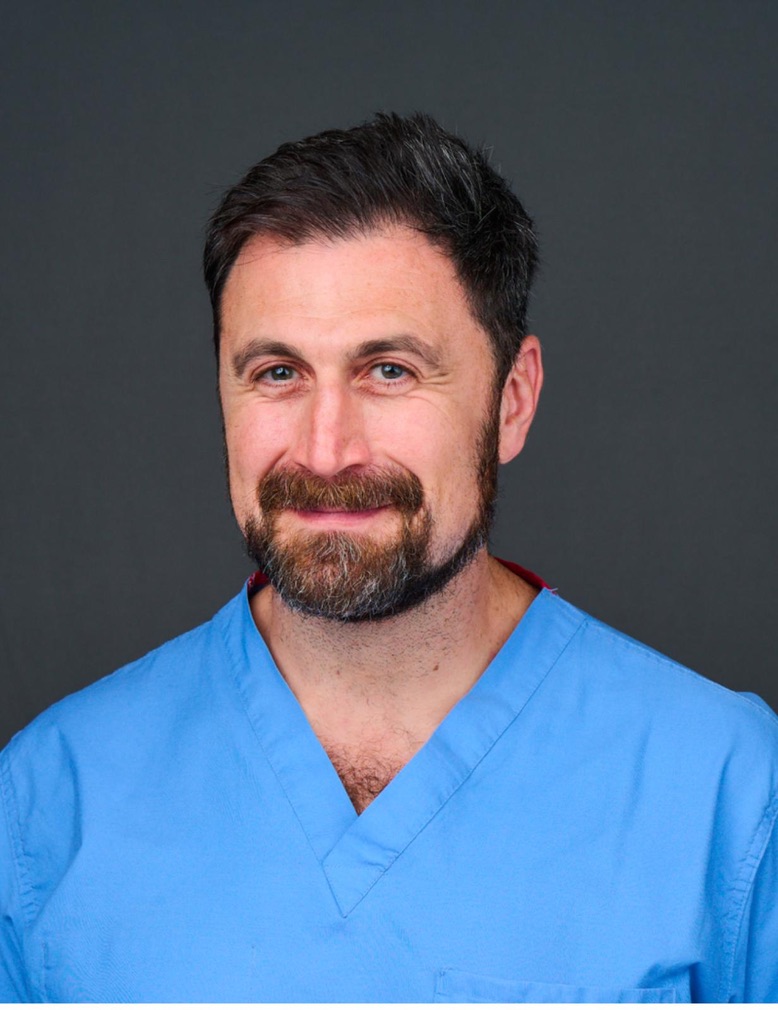
Fateh Entabi, MD, FACS
Dr. Entabi is a general and acute-care surgeon at Adventist Health Tulare and Clinical Associate Professor and Clinical Clerkship Director of Surgery at California Health Sciences University College of Osteopathic Medicine. He completed surgical residency at the University of Pittsburgh Medical Center and research fellowships at UPMC and Massachusetts General Hospital/Harvard Medical School. His work spans surgical education, vascular research, and medical-device development, including the Entabi PD access approach.
- Member, American Society of Diagnostic and Interventional Nephrology (ASDIN)
- Member, ASDIN Peritoneal Dialysis (PD) Committee
- Member, International Society for Peritoneal Dialysis (ISPD)
- Founder & CEO, Entabi Innovation
Affiliations describe Dr. Entabi’s professional roles and do not imply institutional or society sponsorship or endorsement of this collaborative.
STUDY-KIT ACCESS
One central point of coordination.
Direct research-kit requests to Entabi Innovation through the collaboration form below. Availability and supply arrangements depend on the study, institutional and ethics approvals, applicable regulatory requirements, and import/export requirements in each country.
A request does not guarantee kit availability, funding, shipment, or authorization for clinical use. Research coordination is separate from commercial purchasing and pricing.
LET’S DEVELOP THE NEXT STUDY
Become a Participating Site
Investigators worldwide are welcome. Express interest in joining an existing protocol where available, or propose a complementary study. Share your question, experience, and resources; we can explore a suitable collaboration together.
Research coordination · Entabi Innovation
research@entabiinnovation.com